



Desert blooms with Chinese expertise









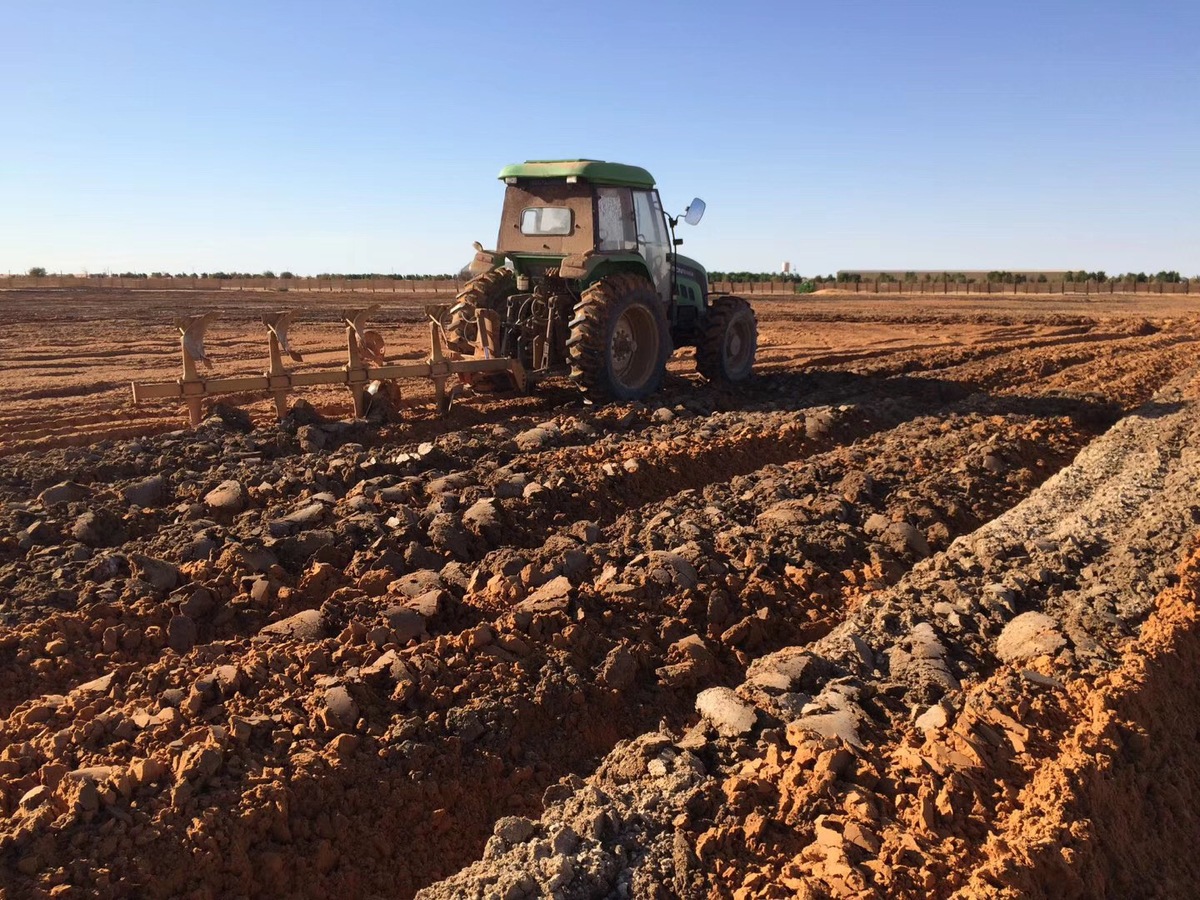
Trial and error
However, Ren was determined to conduct successful field tests.
With the cooperation of other experts at the demonstration center, he explored various water-saving irrigation methods.
They used cow and sheep manure and other organic matter to improve the soil quality. A fertilization plan was devised according to the soil test reports, and to coincide with crop growing periods.
According to Ren, there was virtually no pasture planting industry in Mauritania at that time.
During his experiments, he tried 21 varieties, screening out the unsuitable ones and perfecting sowing times for each variety.
Ren often worked under the hot sun to observe the impact of the temperature, the growth of the crops, and the damage caused by diseases and pests.
The observation data provided valuable reference material for the growing of different types of pastures.
Ultimately, alfalfa proved to be the best option for pasture crops, although it had never been grown on a large scale in Mauritania before.
After three years of experimentation, the planting area of alfalfa reached more than 20 hectares, and that of Gaodan grass nearly 13.3 hectares.


- Fujian coast guard conducts routine patrols in the waters near Jinmen
- Over 300 million passenger trips handled by railway since starting of Spring Festival travel rush
- Get to know Shanghai's first shop dedicated to elderly
- Guangdong launches lifelong learning platform for residents
- A date with Shandong: A warm winter in Linyi
- AI expert predicts robots may outnumber humans by 2035








