



Shanghai tech conference showcases AI in action









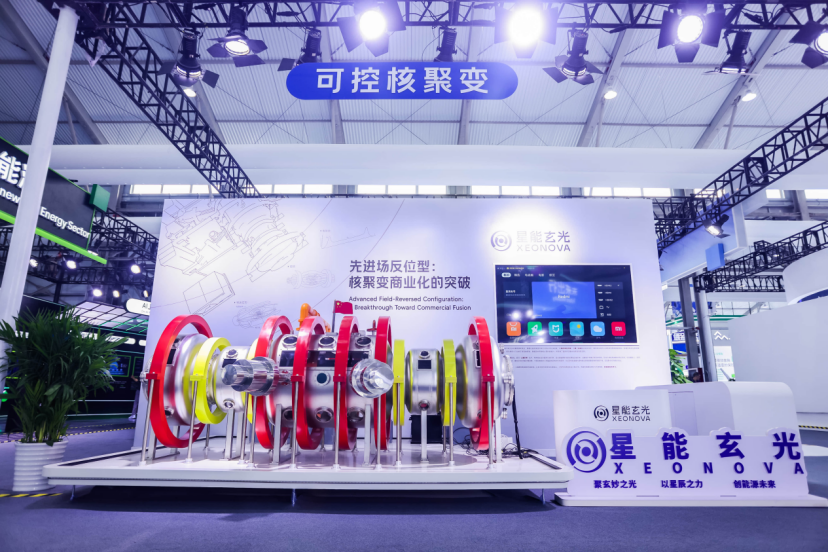
Wang said, "We also expect AI computing to have high electricity demand, which traditional electricity supply methods may not be able to meet, so our own demand is to power future AI data centers."
He also mentioned that AI can optimize plasma control in fusion reactors, an area previously relying on empirical methods.
China possesses notable strengths in the fusion energy supply chain, despite global competition, according to Wang.
"From a technology assessment by a team of Massachusetts Institute of Technology's Chinese alumni, our country has three advantages compared to other countries." These advantages include ultra-high voltage power transmission technology, thin-film superconducting materials, and tritium extraction.
Xeonova has ambitious goals, with plans to generate electricity from its fusion device within 5 to 10 years.
"Within 5 to 10 years, we want to achieve the first kilowatt-hour of electricity in our device," Wang said. "If this goal is achieved, we will be the first company in China to generate electricity from nuclear fusion."


- First special train carrying about 600 workers returning from holiday arrives in Guangzhou
- Wanrong county addresses policy flaw affecting taxi drivers during holiday
- Awe-inspiring Wuxi: Taibo Temple Fair wows intl visitors
- Shanghai eases residency requirements for homebuyers
- Ministry warns schools not to cut physical education classes
- One person killed, four injured in Jiangxi expressway accident








