In January 1938, just weeks after Japanese troops had taken Nanjing (in Jiangsu province), 15-year-old Luo Jin, an apprentice at a local photo studio, was handed two rolls of film by a Japanese officer to develop. What emerged shocked him — stark, irrefutable images of soldiers massacring unarmed civilians and assaulting women.
The Nanjing Massacre, which lasted from Dec 13,1937 to late January 1938, is regarded by historians as one of the worst atrocities of the 20th century. During this period, Japanese troops killed around 300,000 Chinese civilians and disarmed soldiers, and the city was devastated by rape and looting.
Outraged, Luo secretly printed an extra set of the photos, selecting 16 which he hid in a handmade album. Years later, these images became key evidence that forced Hisao Tani, a leading perpetrator, to confess.
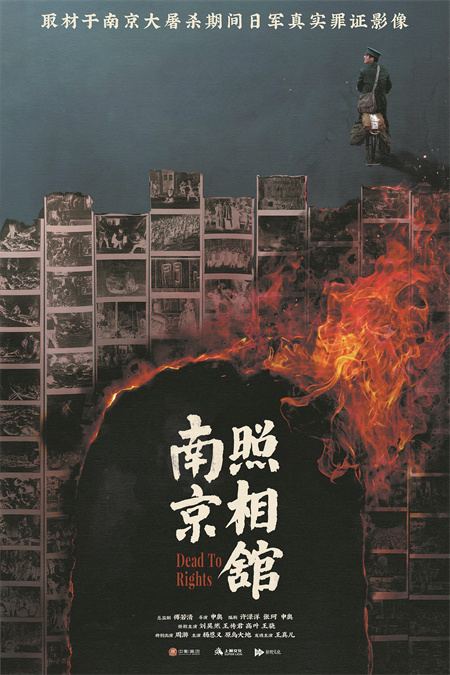
Luo's story — along with the 1987 film Massacre in Nanjing and American missionary John Magee's surviving video footage — inspired director Shen Ao's latest movie, Dead to Rights.