



Medical reform in China eases financial burdens for patients









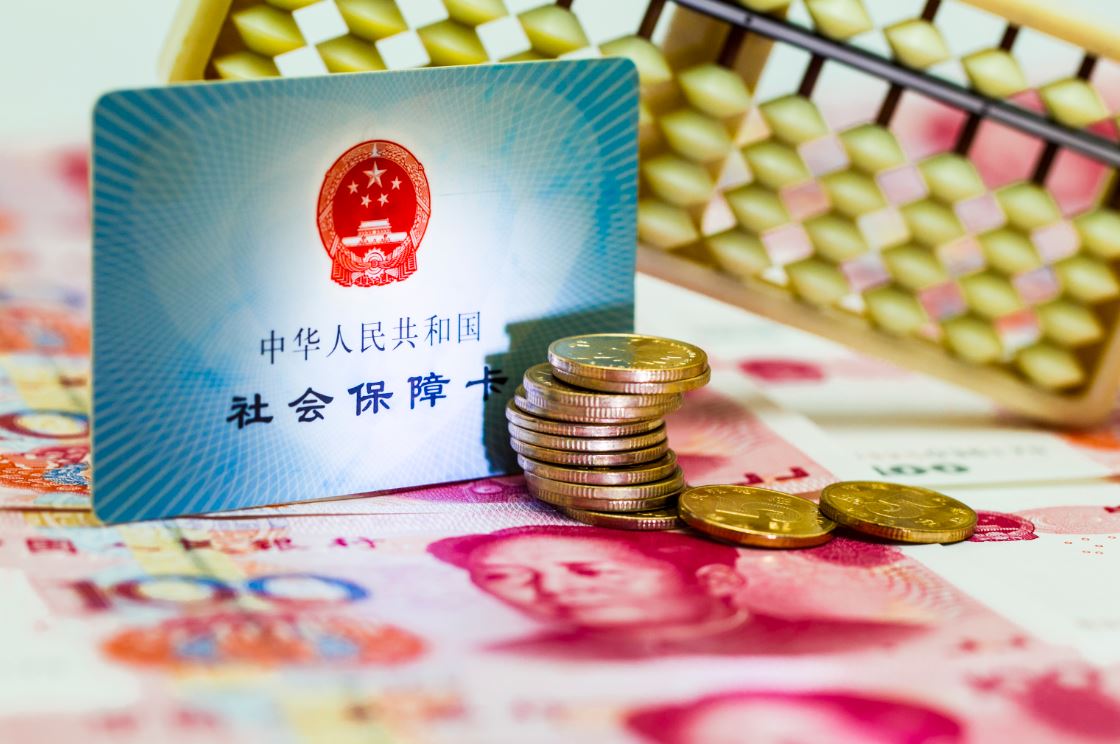
BEIJING -- China's medical reform in the past ten years has significantly eased the financial burdens for patients, according to the National Health Commission.
At a Friday press conference, the commission said that as the country's medical and healthcare system reform proceeds, the percentage of personal expenditure in China's total medical and healthcare expenditure has dropped from 34.3 percent in 2012 to 27.7 percent today.
To increase people's access to quality and reasonably-priced medical services, the country has taken a number of measures. For instance, the country has carried out several centralized bulk-buying programs for drugs and high-value medical consumables.
The programs have successfully brought down medical costs for patients and have so far helped save about 300 billion yuan ($44.43 billion) in medical insurance costs and patients' expenditures.


- Xizang's remote villages gain access to express delivery services
- Egyptian man explores 460-year-old fair in Tianjin
- 10,000-ton electric container ship tests off Jiangxi province
- China's construction sector sees drop in energy use, emissions during build phase, rise in operations
- Guangdong sees surge in holiday arrivals as travel pattern shifts
- International commercial court established in Guangzhou