



Don't pollute with light









Dark Sky leaders
Taiwan, Japan and South Korea set up Asia's only three Dark Sky parks with recognition from the IDA. The IDA has certified 195 Dark Sky conservation spots around the globe. Chinese mainland cities Nanjing, Chengdu, Hangzhou, Shenzhen and Beijing, also announced plans to establish Dark Sky zones.
Such zones are typically located in ecologically sensitive areas with reduced outdoor lighting density, low brightness, and time-controlled illumination. Public education activities will raise awareness of light pollution, health hazards, and wildlife protection.
Shenzhen's Dark Sky project is in the Xichong area of the Dapeng Peninsula, a scenic spot with beautiful beaches and clear sky. The designated 25 square kilometers accommodates 2,000 residents and 300 shops. At least 30 percent of the lighting facilities will be upgraded this year. The project will apply for IDA certification by June, 2022.
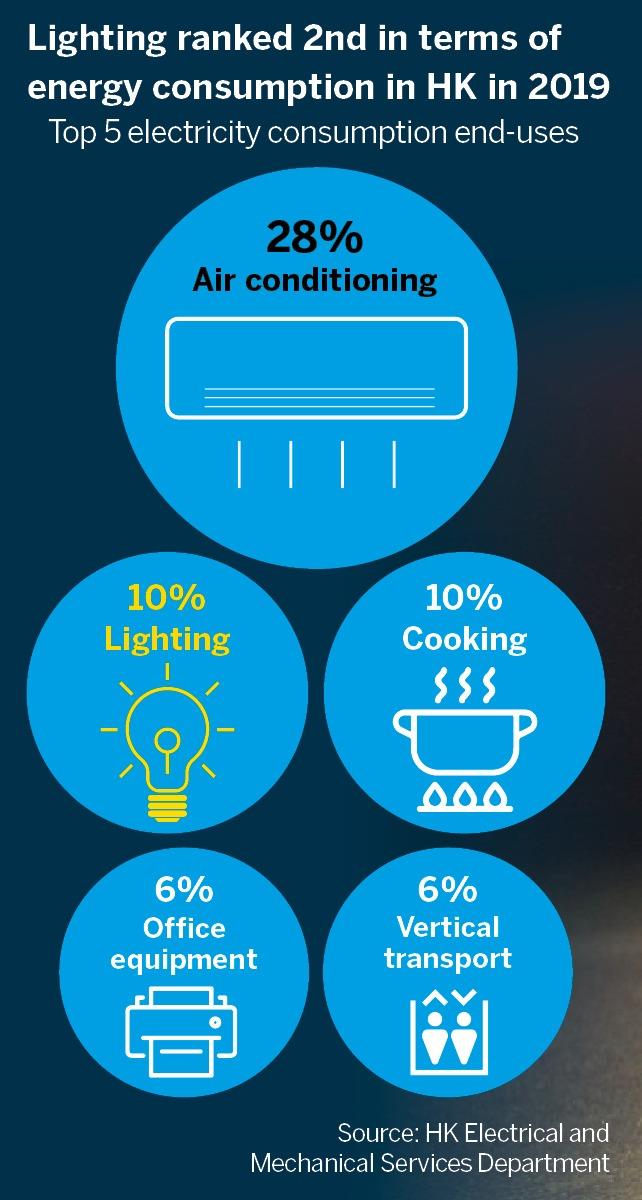
The Dark Sky trend follows sustainable development, for energy conservation and carbon emissions reduction, said Mei Lin, head of Shenzhen Observatory's astronomy department. The lessons learned can be applied to central urban areas with excessive light pollution.



- China ramping up Nipah virus surveillance
- Shanghai to host embodied intelligence expo in July
- Chongqing sets GDP growth target of over 5% for 2026
- Xinjiang strengthens economic, cultural ties with Hong Kong, Macao
- Former senior political adviser sentenced to 12 years for bribery
- Hubei's government becomes first in China to add 'emotional value' to work report