



Online learning may solve rural teacher shortage









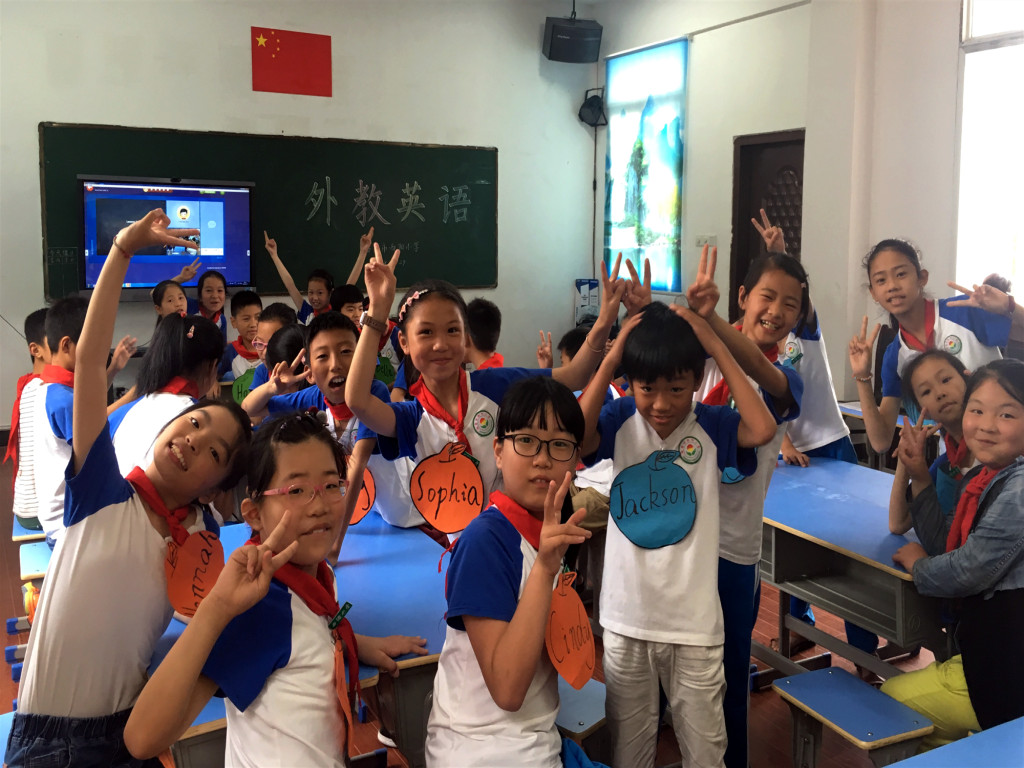
Lost interaction
Despite the apparent success and benefits of online tuition, not every education professional is in favor of the model.
Xiong Bingqi, deputy director of the 21st Century Education Research Institute in Beijing, is not sold on the idea of online learning as a solution to the teacher shortage in rural areas. Instead, he believes that it is important for children to be taught by teachers who are physically in the classroom.
"Education is more than just knowledge being passed from teachers to students - learning also comes from a teacher's behavior and their personality," he said. "These interactions between teachers and students, as well as among students, are lost when classes are held via machines and screens."
He added that the government should take more measures to attract, develop and retain proficient teachers in rural areas, including offering more training and opportunities for promotion, and better salaries.
To better build a team of rural teachers, the State Council, China's cabinet, issued the Rural Teachers' Support Plan in 2015.
The plan noted that the developmental imbalance between cities and the countryside - such as poor transportation and low-quality equipment at schools in rural regions - means teaching in underdeveloped areas remains an unappealing job. "This blueprint is aimed at attracting talented teachers to rural schools," it stated.
It lists comprehensive measures to recruit and retain teachers, and requires local governments to subsidize college students who commit to teaching in villages after graduation. Moreover, the plan called for the raising of rural teachers' salaries and said schools should offer more long-term employment contracts.
In July, education and financial authorities unveiled the "Silver Age" project, which aims to encourage 10,000 retired teachers to return to work in the next three years as teachers and principals in rural primary and junior middle schools. The former retirees will receive an appropriate salary, boosted by an annual subsidy of 20,000 yuan.
The project, which has an added focus on schools in poverty-stricken regions, aims to improve the quality of education and provide a fairer balance of educational opportunities and resources between urban and rural areas.


- First special train carrying about 600 workers returning from holiday arrives in Guangzhou
- Wanrong county addresses policy flaw affecting taxi drivers during holiday
- Awe-inspiring Wuxi: Taibo Temple Fair wows intl visitors
- Shanghai eases residency requirements for homebuyers
- Ministry warns schools not to cut physical education classes
- One person killed, four injured in Jiangxi expressway accident








