



China on the way to revive majesty of Asian elephants









HOME AND FOOD
From 1988 to 1993, the local government has invested about 4 million yuan (587,000 U.S. dollars) to relocate 195 households with 1,120 residents within the core areas of the nature reserve in Xishuangbanna.
In 2009, local authorities in border regions of China and Laos signed an agreement to designate an area of about 55,000 hectares on the border to carry out joint protection and gradually expanded the zone to about 200,000 hectares.
This year, staff from the reserve have grown a total of 100 hectares of the elephant's favorite food, such as bamboo and paper mulberry.
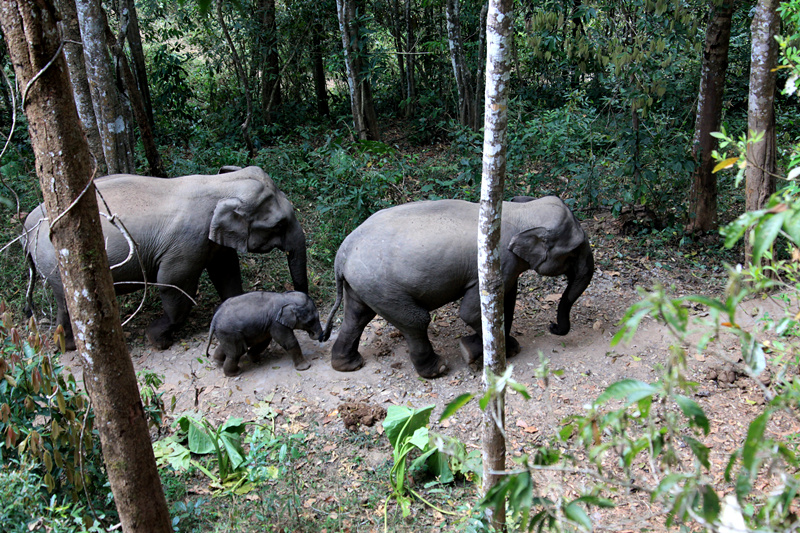
"The elephant canteens provide a safe place for elephants to munch on plants far away from villages where they might come into conflict with humans. Fewer elephants seek food in village crop fields now," said Wang Bin, a senior engineer from the nature reserve.
Since 2014, Yunnan has purchased commercial wild animal insurance covering the entire province. The government pays the premiums, and the insurers compensate people when wild animals cause trouble.
Currently, more than 300 infrared camera and 40 monitoring sites have been set up in the reserve to provide complete coverage of the wild animal. Since last year, drones have been applied to monitor the reserve.


- Xizang's annual air passengers top 8 million for first time
- When horses lose their old jobs, a frontier county in Xinjiang finds new ones
- 2026 Zhongguancun Forum in Beijing launches media registration process
- Retired athlete ignites youth ski dreams, fuels winter economy in Xinjiang
- Hong Kong targets city-wide AI use: financial secretary
- Global governance seminar held in Geneva, marking launch of English edition of Volume I of 'China's Governance under Xi Jinping's Leadership'








